How to Improve Your Full Blood Count Analysis Skills – using a Systematic + Cancer-Centric Approach.
Lorem ipsum dolor sit amet, consectetur adipiscing elit.
Ut elit tellus, luctus nec ullamcorper mattis, pulvinar dapibus leo.
Sharpen Your Full Blood Count Analysis Skills with the
Systematic + Strategic
Communication-Centric
Cancer-Centric
Exam-Centric SAFE Framework.
The SAFE Framework – for Cancer Centric FBC Analysis.
SAFE = Systematic + Strategic · Articulate effectively · Focus on cancer · Exam-centric.
REDUCE RISK · SAVE TIME
S
Systematic + Strategic
Systematic. A full blood count has more than 12 parameters. Without a systematic approach, it’s easy to miss key abnormalities, especially when multiple abnormalities are present. ICUs and stem cell transplant units use checklists for this reason.
Strategic. There are numerous triggers of abnormal results, but in busy clinical practice you need a probability-based list. Learn to rank causes by likelihood, and to reflexively pair results and group them.
💡 In chess, there are many legal moves, but few are smart.
COMMUNICATION CENTRIC
A
Articulate Effectively
Learn to identify FBC abnormalities, grade their severity, assess trends and group other relevant abnormal results.
Translate abnormal numbers into clear statementsto communicate effectively with other clinicians and specialists.
No more vague “has low platelets” – reframe it as “ a progressive thrombocytopenia – was mild, but now moderate”
CANCER-CENTRIC
F
Focus on Cancer
The lifetime risk of developing cancer in the UK is 1 in 2!
Every FBC result should be astutely analysed to look for cancers.
As modern-day healthcare professionals, you’ll see far more cancer patients than previous generations, so keep cancers near the top of your list from the start.
A cancer-first approach rather than a Cancer later / cancer last approach
SCORE HIGHER
E
Exam Centric
Cancer and chemotherapy questions come up again and again – in USMLE, UKMLA, MRCGP, Boards, Royal College, Exit and Fellowship exams.
Once you understand why a particular question is being asked, the concept becomes easier to learn.
Hint : Molecular mechanisms – diagnostics and therapeutic targets – matter.
FBC16 Trainer® Program: Course Outline
8 Online Modules + 2 Live Webinars ( + 4 Pro Webinars )
1
8 Online Modules
FBC Data = Objective Data
Tried and tested checklists that have been used in stem cell transplant units and leukaemia centres.
Work through 8 self-paced online modules at your own speed. Each module has Clinical CheckGrids® to fast-track learning with Pro Tips from decades of clinical practice.
Module 1The SAFE Framework and the Core 4
The SAFE Framework and cancer-first approach.
Learning outcomes
Name the Core 4 and read them in order; learn the key root words (-philia, -cytosis and -penia) to navigate the many complex terms.
Core 4: A solid starting point and a safe anchor when a screen shows lots of abnormal results.
Module 2Neutrophilia, Neutropenia and Neutropenic Sepsis
Introducing Clinical CheckGrids®.
Learning outcomes
List 8 triggers of neutrophilia and distinguish an overactive cancerous condition (CML) from a reactive one.
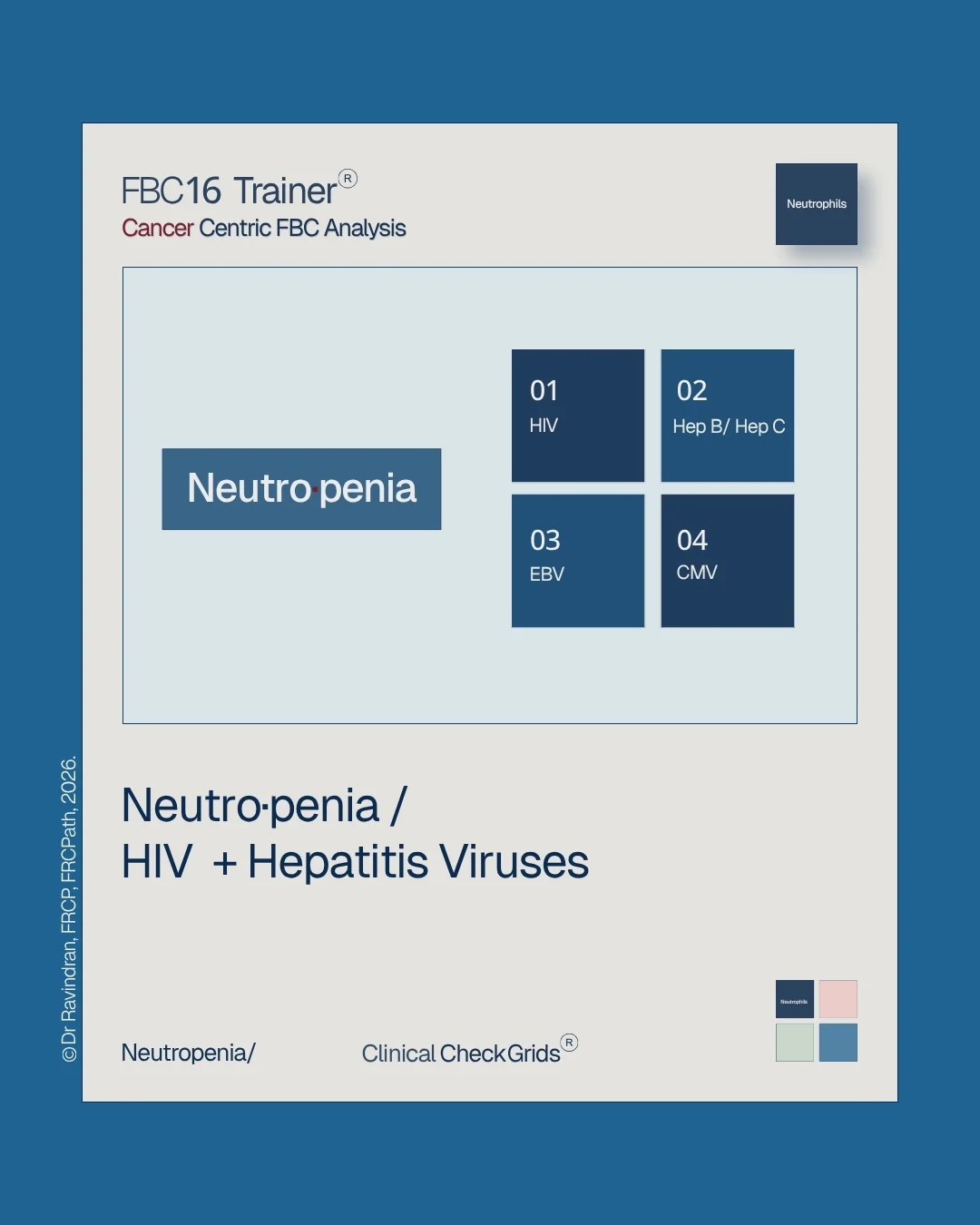
Group the 16 causes of neutropenia into reduced production and increased destruction, and ask the four key questions.
See 2 more outcomesShow fewer
Describe the post-chemotherapy neutropenia pattern: the nadir, recovery and the role of growth factors (G-CSF).
Suspect neutropenic sepsis and start IV broad-spectrum beta-lactam monotherapy without waiting for cultures, in line with NICE, with a plan B for penicillin allergy.
Module 3Erythrocytosis
The importance of using precise terms: Polycythaemia rubra vera and Erythrocytosis.
Learning outcomes
Separate polycythaemia rubra vera (JAK2 V617F, exon 12) from secondary erythrocytosis, and see how PRV can progress.
Recall the 4 key abnormalities in PRV.
Pinpoint the 4 key triggers of secondary erythrocytosis.
See 1 more outcomeShow fewer
Outline the management of PRV and secondary erythrocytosis.
Module 4Anaemia – Microcytic, Macrocytic and Normocytic
Let the MCV guide you in classifying anaemia.
Learning outcomes
Unpick undifferentiated anaemia using the MCV.
Investigate iron deficiency for possible gastrointestinal tract cancers, with upper and lower GI tests.
Differentiate megaloblastic from non-megaloblastic macrocytosis (B12 and folate, alcohol, liver disease, hypothyroidism).
See 1 more outcomeShow fewer
Explain the mechanisms behind normocytic anaemia in renal failure (low EPO) and anaemia of chronic disease (hepcidin).
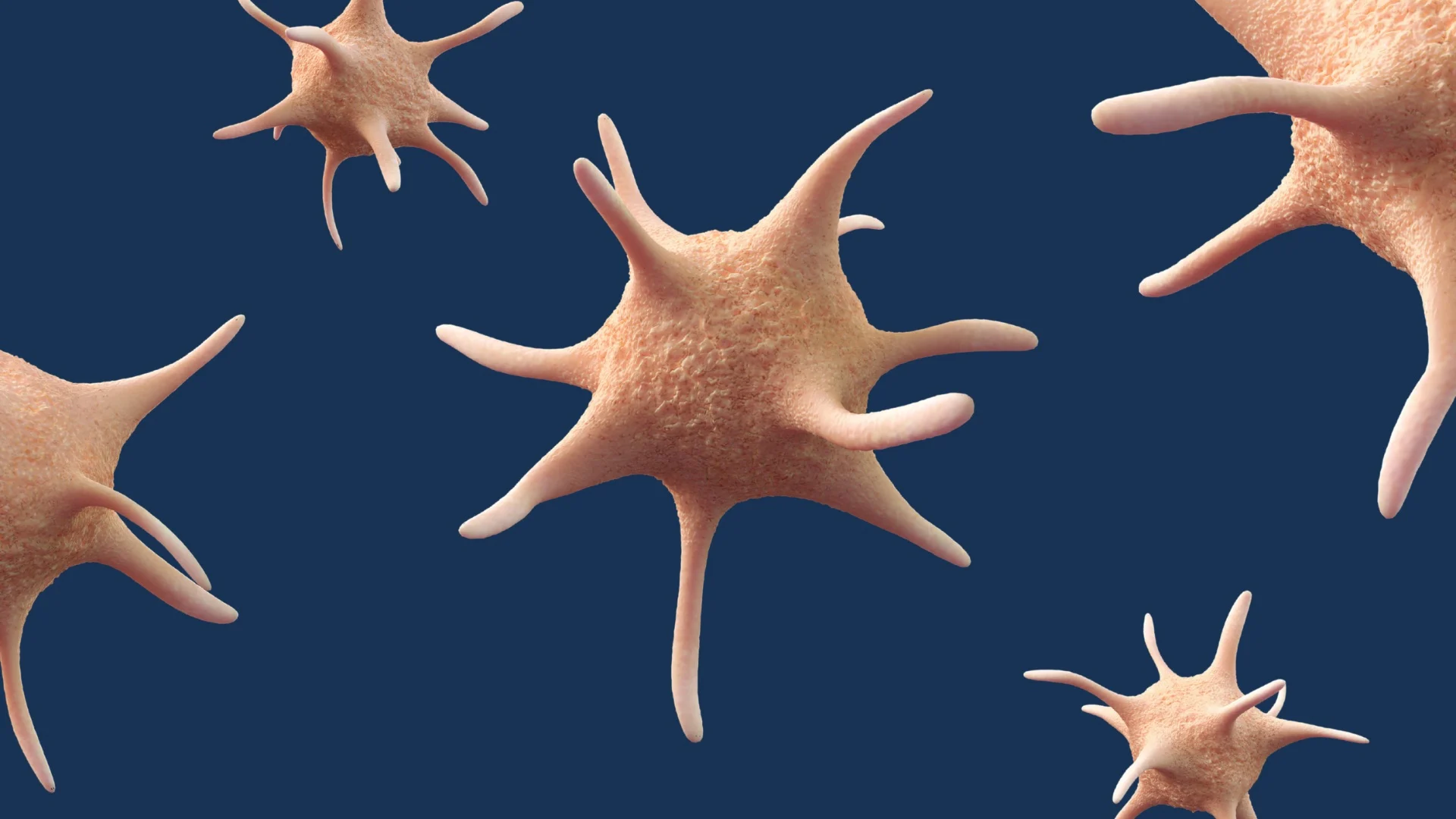
Thrombocyte
Module 5Thrombocytosis and the MPNs
Primary myeloproliferative conditions versus reactive thrombocytosis.
Learning outcomes
Name the key mutations in ET (JAK2, exon 12, CALR, MPL), suspect erythromelalgia, and recognise that ET can transform to myelofibrosis or even AML.
See 1 more outcomeShow fewer
Identify the 4 key triggers of reactive thrombocytosis (infection, inflammation, iron deficiency, hyposplenism) and tell it apart from essential thrombocythaemia.
Module 6Thrombocytopenia
Thrombocytopenia is complex. Decode it using Clinical CheckGrids®: grade it, trend it and read the pattern.
Learning outcomes
Grade thrombocytopenia by severity, assess trends and exclude pseudothrombocytopenia.
Categorise drug-related causes into 4 groups.
See 1 more outcomeShow fewer
Identify and act on the emergencies: from the common ITP to the rare but life-threatening TTP (ADAMTS13, urgent plasma exchange, caplacizumab), HUS, DIC and HIT.
Module 7The Next 4
Lymphocytes, Monocytes, Eosinophils and Basophils.
Learning outcomes
Contrast the cancerous and non-cancerous triggers of raised and low lymphocytes (ALL, CLL; chemotherapy, rituximab, HIV) and of monocytosis (CMML, acute leukaemias, infection), and monocytopenia in hairy cell leukaemia.
See 1 more outcomeShow fewer
List the 8 common triggers of eosinophilia.
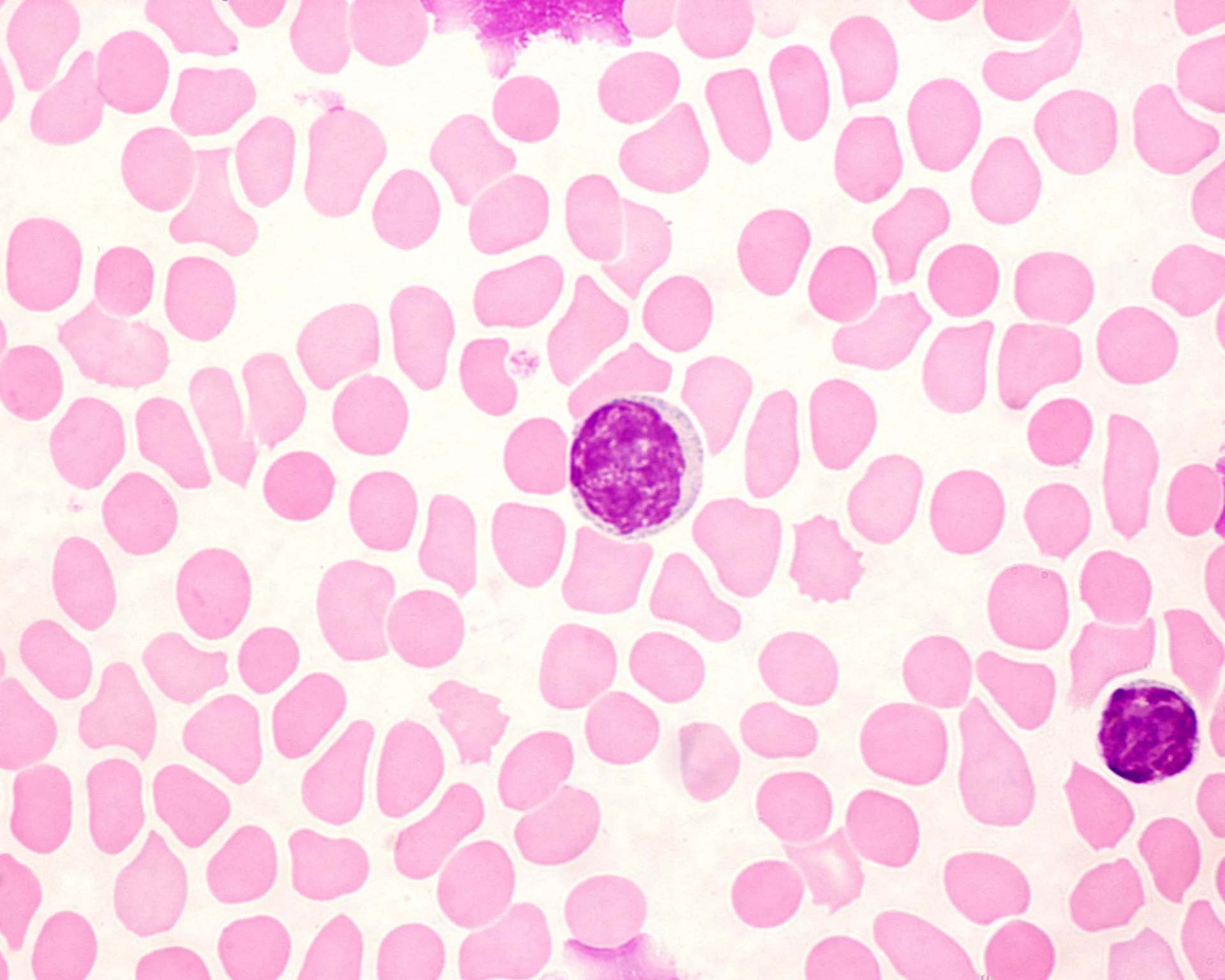
Peripheral blood film: Lymphocytes
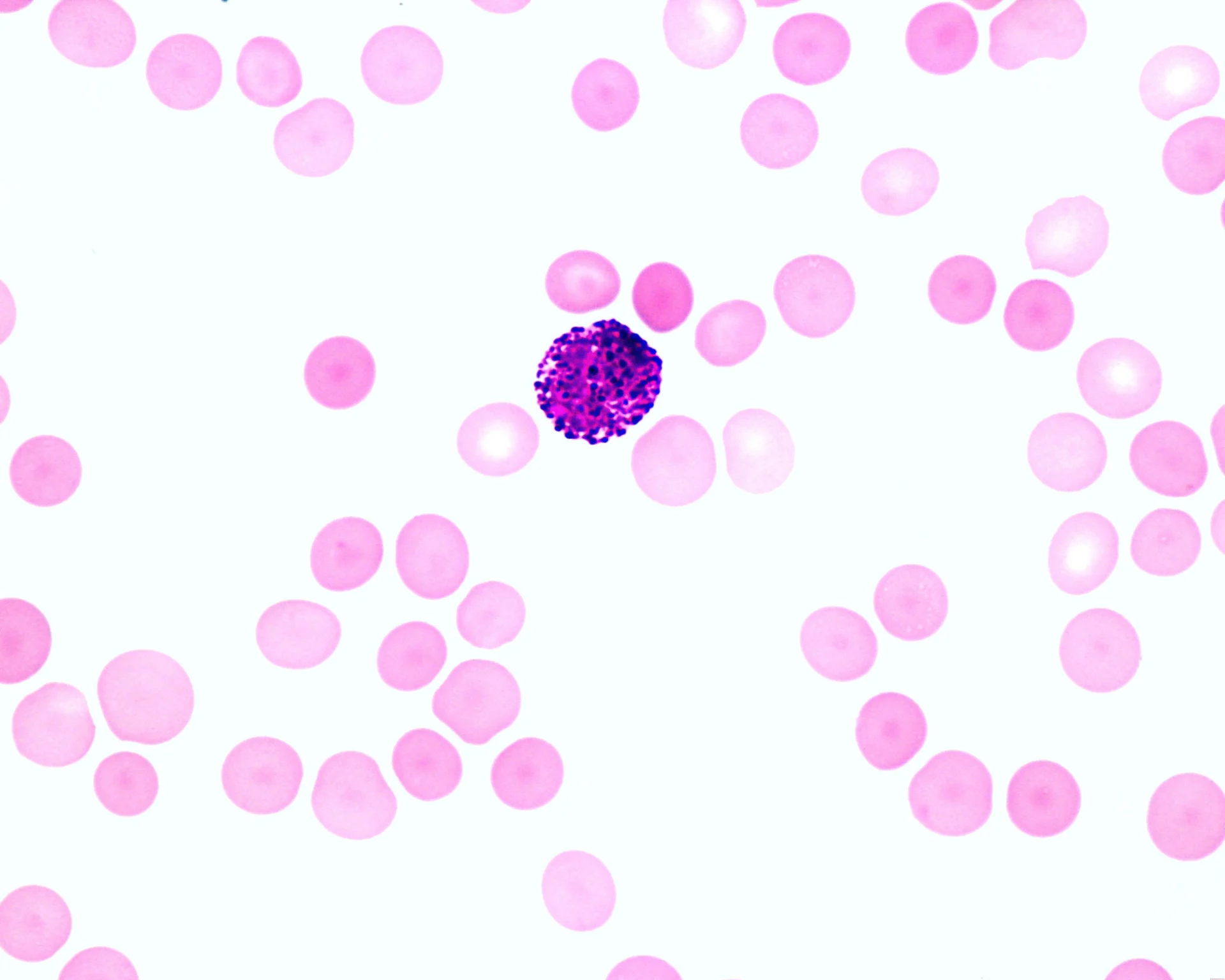
Basophils: note the granules
Module 8Infection Markers, Haemolysis Markers and Haematinics
The final results that complete the FBC16.
Learning outcomes
Triage hyperleucocytosis and leucostasis as emergencies.
Choose between CRP, procalcitonin and ESR (ESR is not an acute-phase reactant).
See 4 more outcomesShow fewer
Interpret reticulocytosis versus reticulocytopenia (aplastic anaemia, pure red cell aplasia), paired with the DAT.
Work through low, “apparently normal”, raised and very high ferritin levels, including the causes of a raised ferritin: inflammation, alcohol, liver disease, haemochromatosis (C282Y, H63D), cancer and HLH.
Diagnose pernicious anaemia, treat with lifelong IM B12, and think of the risk of gastric cancer and carcinoids.
Connect folate to alcohol, haemolysis, coeliac disease (T-cell lymphoma risk), methotrexate and folinic acid rescue.
Bone Marrow Aspirate
Extra sectionThe basics of Haemato-Oncology
Text to come.
Learning outcomes
Place the leukaemias on a 2×2: myeloid or lymphoid, acute or chronic.
The modules give you the method. The webinars put it to work on real cases, live, with time for your questions. Each webinar lasts 60 minutes, and every webinar is recorded, so you can catch up or revisit it whenever you need.
Webinar # 1Articulating the Problem Statement
Convert abnormal results into a precise statement.
Drafting a clear problem statement forces you to clarify your thinking, grade the abnormality and check the trend.
Which is better?
✗ “My patient is becoming anaemic. What tests should I do?”
✓ “My patient has a progressive anaemia over 6 months – normocytic, now microcytic – with normal neutrophils and rising platelets.”
Webinar # 2Workflow using Clinical CheckGrids®
Apply the Clinical CheckGrid® workflow to neutrophilia, neutropenia, anaemia, erythrocytosis, thrombocytopenia and thrombocytosis.
3
Pro Webinars × 4
Webinars 3 and 4 take problem statements further, to abnormalities across two, and three or more, cell lines in two advanced parts. Drafting your own keeps your wording precise.
Want the live Pro webinars on Advanced Articulation and the InterFace Medicine® sessions on Myeloma and Lymphoma? Choose Pro.
Pro Webinar # 3Articulating 2 Abnormalities effectively – Advanced I Stage B CLL, Bicytopenias such as MDS
Case Studies
Abnormalities in two cell lines. A few possible combinations:
Both low: anaemia with thrombocytopenia (Evans syndrome); neutropenia with moderate thrombocytopenia (MDS)
One low, one raised: microcytic anaemia with thrombocytosis / Stage B CLL
Both raised: erythrocytosis with thrombocytosis (PRV)
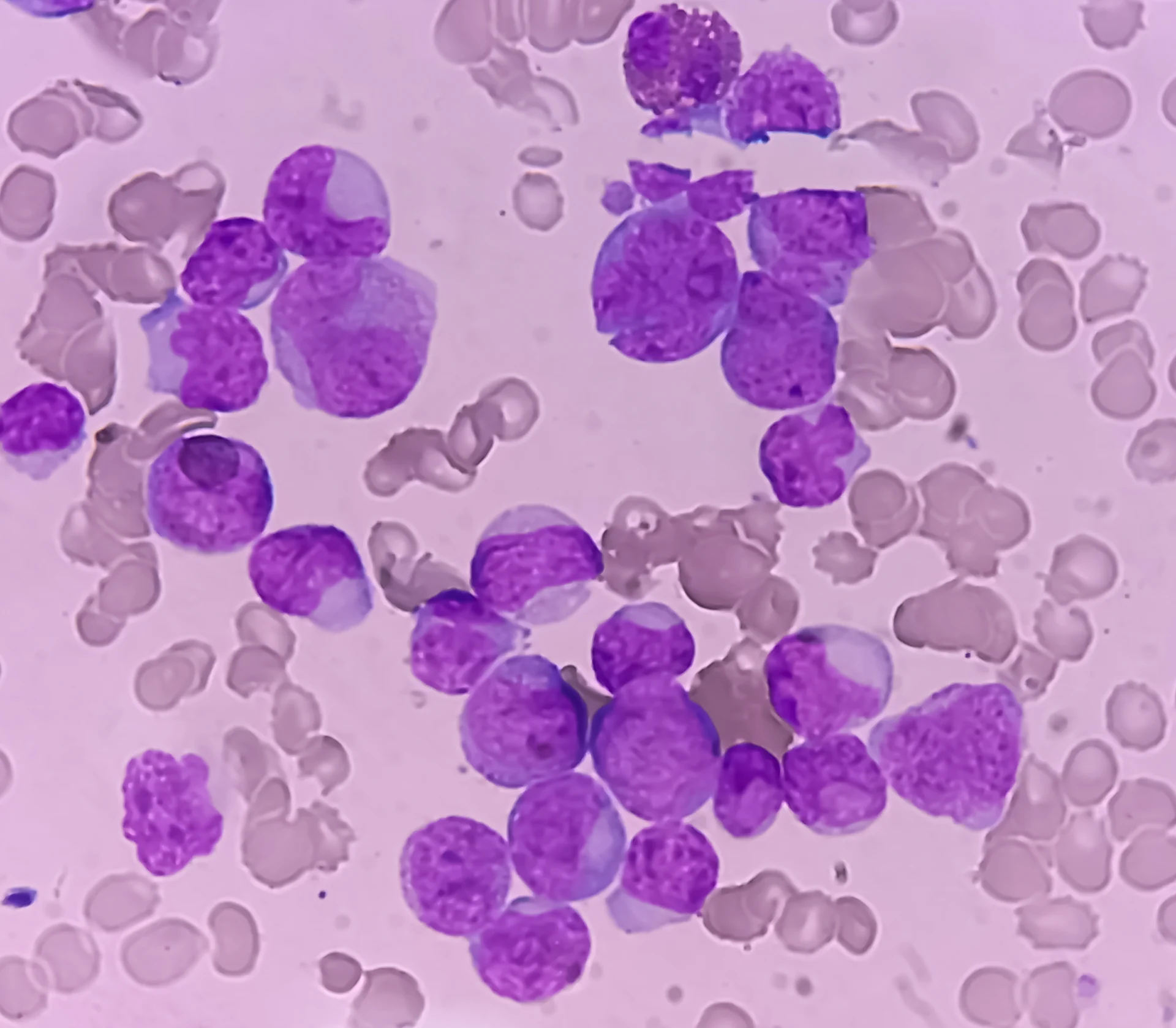
Blast cells of Acute Myeloid Leukaemia
Pro Webinar # 4Articulating 3 or more Abnormalities effectively – Advanced II Acute Myeloid Leukaemias, Pancytopenias – Aplastic Anaemia
Case Studies
Abnormalities affecting all three cell lines, from Aplastic Anaemia to the Acute Leukaemias and Stage C CLL.
InterFace Medicine®
InterFace Medicine® is a cancer-centric approach to the places where specialties intersect. It connects the not-so-obvious dots, and it is what makes medicine such an exciting field to work in.
Pro Webinar # 5InterFace Medicine® Multiple Myeloma
Case Studies
Haematology-oncology intersects with Radiation Oncology, Histopathology, Orthopaedics, Interventional Radiology, Nephrology, Critical Care and Transplant.
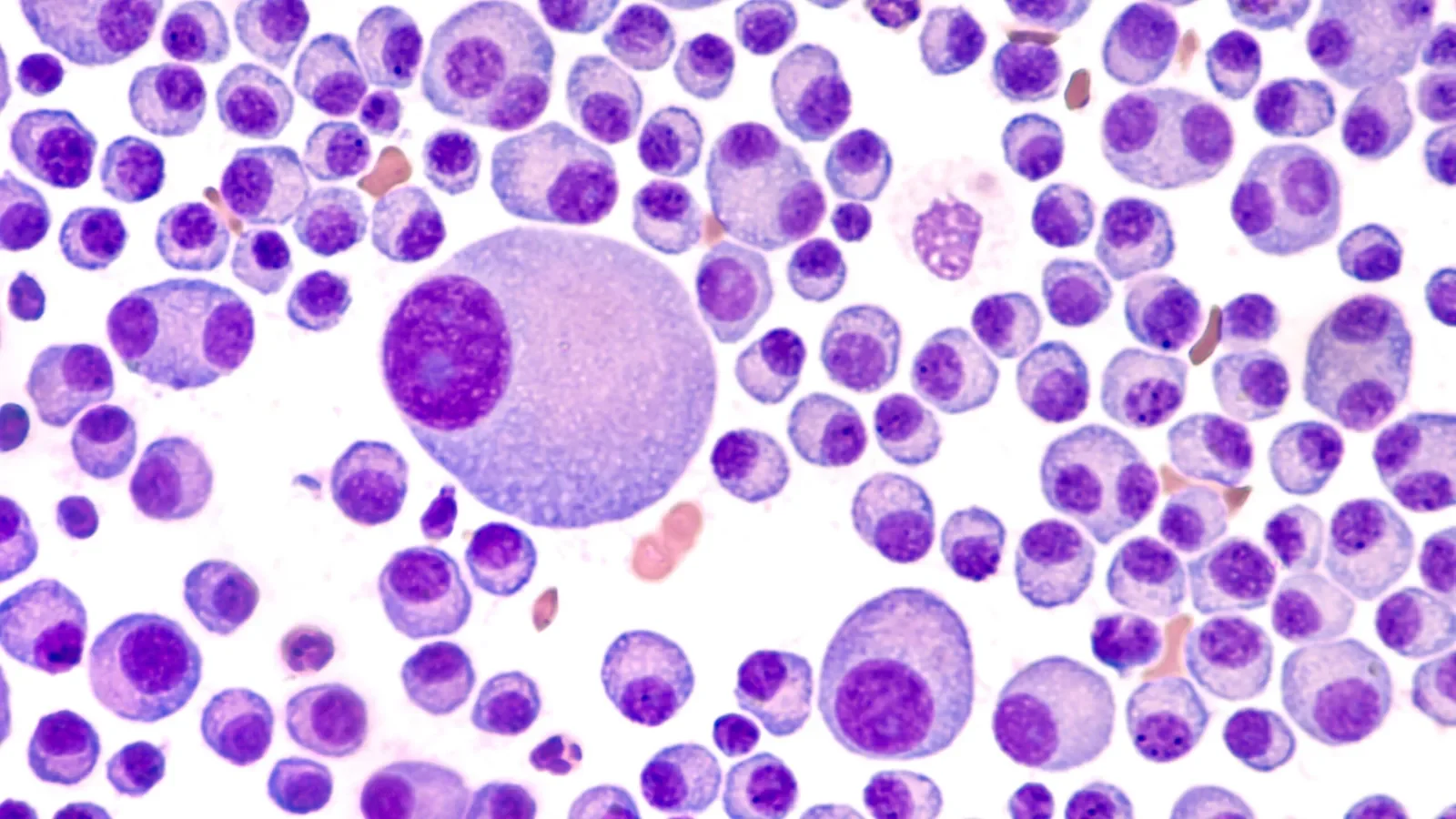
Multiple Myeloma: bone marrow packed with plasma cells
Pro Webinar # 6InterFace Medicine® Non-Hodgkin’s Lymphoma
Case Studies
Haematology-oncology intersects with Surgical Specialities, Histopathology, Radiology, Nuclear Medicine, Clinical Oncology and Transplant Teams.
Ready to sharpen your FBC analysis?
Choose Basics or Pro and start the FBC16 Trainer® today.
Earn 5 CPD points for the FBC16 Trainer® Basics and 10 CPD points for the FBC16 Trainer® Pro course. A cost-effective and clinically relevant way of building your portfolio.
View + Re View + Revise
Delivered Online
Learn from your clinic or home – no travel needed.
Replay the on-demand webinars as often as you like.
Pro Tip: watch each module twice now, then once more a few months later to make it stick.
Testimonials
Experiences Shared by Our Clients
Lorem ipsum dolor sit amet, consectetur adipiscing elit. Ut elit tellus, luctus nec ullamcorper mattis, pulvinar dapibus leo.
FC
Core Trainee, Victoria Hospital
Lorem ipsum dolor sit amet, consectetur adipiscing elit. Ut elit tellus, luctus nec ullamcorper mattis, pulvinar dapibus leo.
FC
Core Trainee, Victoria Hospital
Ready to read every FBC with a cancer-first mindset?
Both tiers include the full course. Pro adds four live webinars on the cancers and combinations that catch clinicians out, and doubles your CPD points.
FBC16 Trainer®
£99
£
75 (Limited Introductory Offer)
8 online modules covering the key 16 FBC results
Clinical CheckGrids®, Pro Tips and quizzes
Articulation Templates – Basic
2 Live Webinars (60 min each, recorded)
Webinar # 1:
Articulating the Problem Statement
Webinar # 2:
Workflow using Clinical CheckGrids®
5 CPD Points
FBC16 Trainer®
PRO
£199
£
125 (Limited Introductory Offer)
Everything in Basics, plus:
Articulation Templates – Advanced
4 Extra Live Webinars (60 min each, recorded)
Pro Webinar # 3:
Articulating 2 Abnormalities Effectively – Advanced I
Stage B CLL, Bicytopenias such as MDS
Pro Webinar # 4:
Articulating 3+ Abnormalities effectively – Advanced II
Acute Myeloid Leukaemias, Pancytopenias – Aplastic Anaemia
Pro Webinar # 5:
InterFace Medicine® – Multiple Myeloma
Pro Webinar # 6:
InterFace Medicine® – Non-Hodgkin’s Lymphoma
10 CPD Points
Popular
FAQs
Find Your Answers Here
What is the FBC16 Trainer® course?
Read any FBC systematically through a cancer-centric lens, know the common and the can’t-miss causes for each abnormal result, and say clearly what you found.
Who is the FBC16 Trainer® course for?
FBC16 Trainer® is built for busy frontline clinicians:
Resident doctors, core trainees, IMTs, medical registrars and internists reviewing FBCs on the ward, on take and in clinic.
GPs deciding which results need a repeat and which need a referral today.
GP registrars building a reliable method, with exam favourites flagged throughout.
F1/F2 doctors, ACPs, PAs and Clinical Nurse Specialists will also benefit.
If you’ve ever paused over a borderline platelet count, an unexplained lymphocytosis or a falling neutrophil count and wondered how worried to be, this course is for you.
What makes the FBC16 Trainer® different?
It all rests on the SAFE Framework: Systematic and strategic, Articulate effectively, Focus on cancer, Exam favourites.
Develop a cancer-centric lens. Interpret the FBC not just by looking for abnormalities, but by asking whether it points to the possibility of cancer – not only blood cancers, but gastrointestinal, genitourinary and many more interlinked cancers.
Analyse 16 key results in 4 grids. The Core 4, the Next 4, then infection markers, haemolysis markers and haematinics: 16 key results arranged in 4 sets of 2×2 Clinical CheckGrids®.
Recognise key can’t-miss abnormalities. Spot the ones you must never miss: CML, TTP, DIC and hyperleucocytosis patterns.
Track trends, not one abnormal result. Typically, in exams you are given a clinical vignette with a set of abnormal results.
Convert abnormal numbers into a succinct statement.
Are there refunds?
Sign up to learn from the first modules for free – to see if the modules are a good fit for your learning needs.